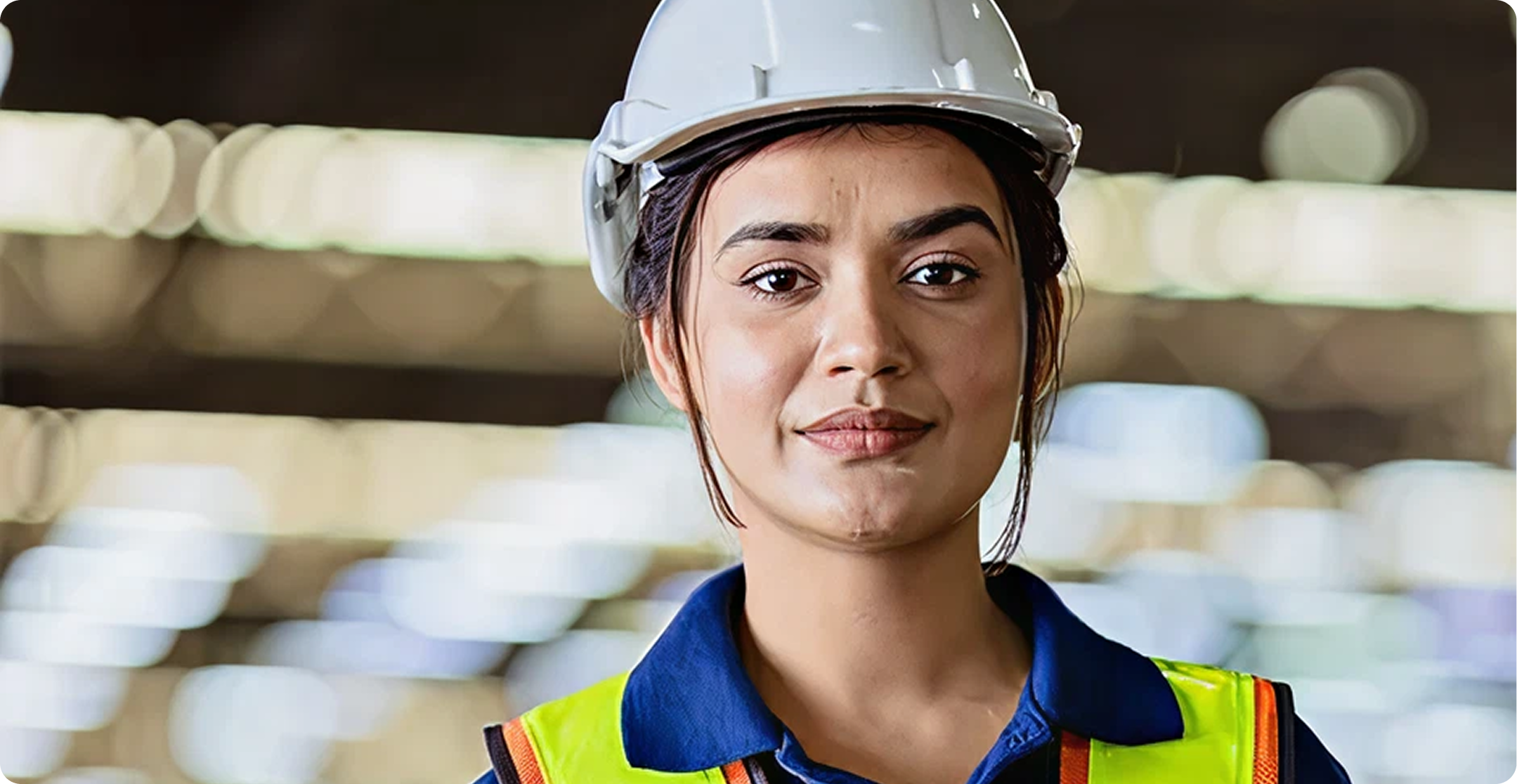
Only one in five leadership roles in the energy sector is held by a woman. The energy sector remains one of the most gender imbalanced sectors, and gender equity in this sector still poses a great challenge in India. The skewed gender dynamics coupled with inadequate representation of women in these sectors can partly be attributed to the social and perception barriers about the dominance of field-based activities, geographical mobility, and shift-based working, which have traditionally been considered as negative for women’s participation in these sectors.
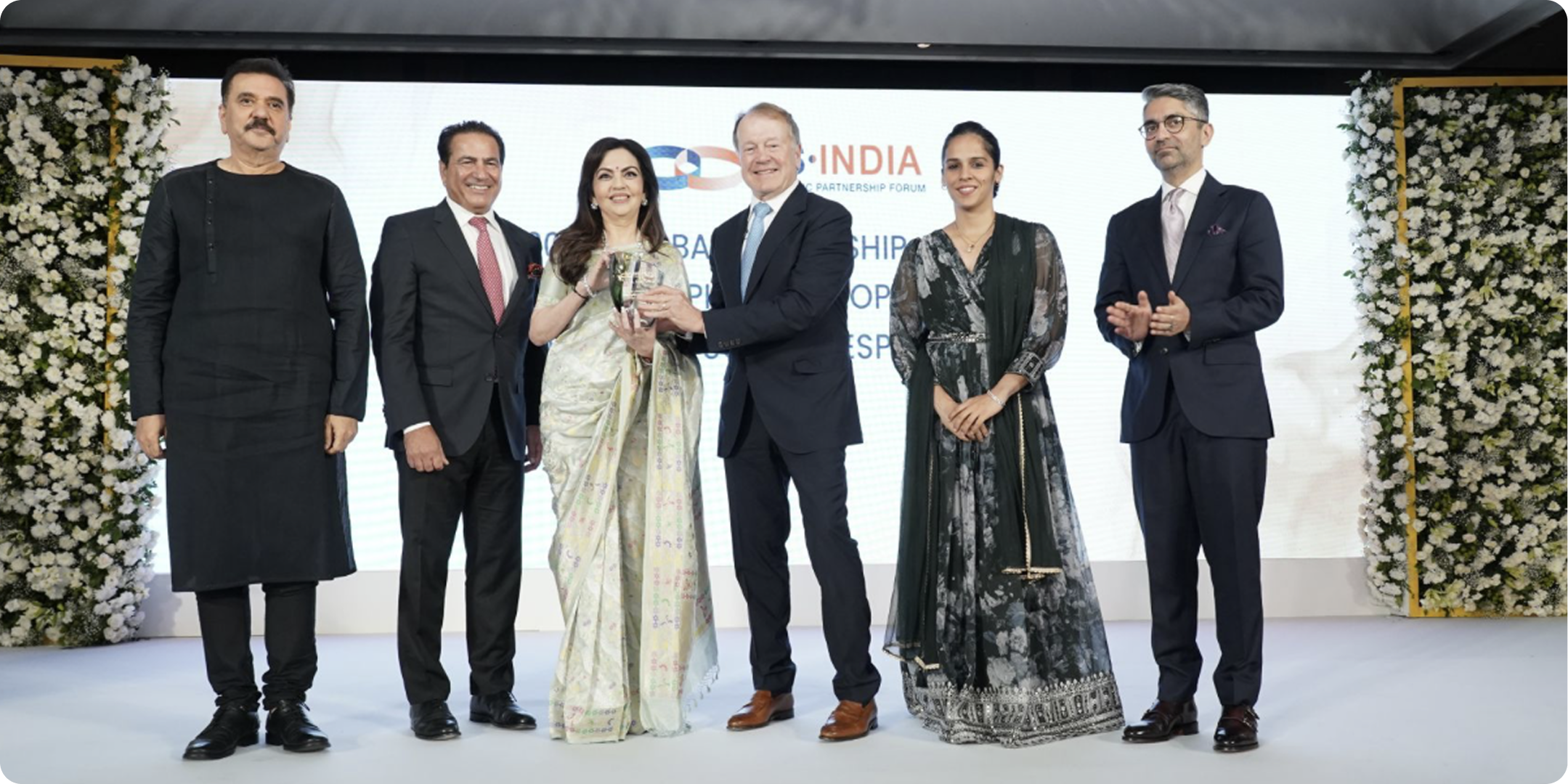
On September 5, 2019, during the 2nd International Conference on Large-Scale Renewable Energy in India, South Asia Women in Energy (SAWIE) was launched as a joint initiative of the U.S. Agency for International Development (USAID) and the U.S. India Strategic Partnership Forum. The initiative aimed to increase the representation of women at the leadership levels in the energy, industrial, and manufacturing sectors, thereby enabling diversity in decision-making. As the name suggests, SAWIE focused on the South Asia region, with India at its fulcrum. SAWIE provided a platform for women to form a collaborative and strategic approach towards reaching gender equality goals and building strong pillars across the sectors. The platform brought together women leaders across sectors and follows a working-group-based model to realize its objectives. SAWIE was organized into four working groups i.e., mentorship, leadership, entrepreneurship, and networking, each led by a senior woman leader as the Working Group Anchor. Furthering this commitment, SAWIE also worked towards strengthening the regional network of institutional partners across the South Asia Region.
Key achievements included: 125+ individual members, 15+ events, 300+ organizations, 1000+ participants engaged, 3 institutional partners, and 11 mentorship sessions held.